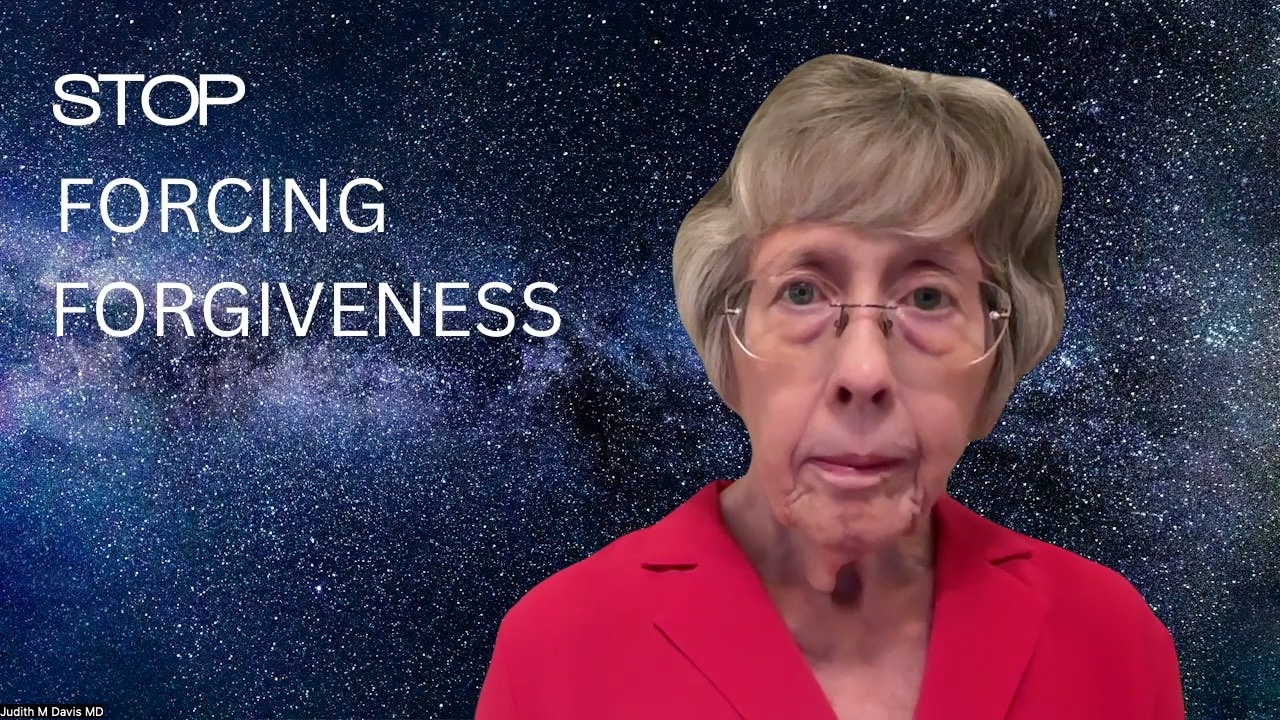
When forgiveness is expected—but not right for you
We’re often told that we should forgive—that forgiveness is the only way to alleviate the discomfort caused by the harm and to move on. But what if that’s not always true?
When someone has been mistreated, especially in childhood, there's often pressure, sometimes from others and sometimes from within, to forgive the person who caused the harm. That pressure often carries the message that forgiveness is virtuous, and that withholding it is somehow wrong. But for many people, not forgiving is appropriate. Why?
Mental Pathways
Our minds contain all the mental pathways that are laid down as we experience perceptions. If a parent or other authority figure has been predominantly positive, we'll have a larger pathway representing that figure's positive qualities and a smaller pathway representing the times when the figure was experienced negatively. But if such a figure abuses us, the negative pathway contains not only the abuse but the abuser's betrayal.
Obvious Abuse; Subtle Abuse
In some instances, the abuse is obvious: physical assault, sexual assault, or neglect.
But in other instances, it is subtle:
- feelings of anger or rejection underlying a superficial warmth
- criticism that seems warranted, but which is excessive, or tinged with hostility
- unrelenting expectations for achievement beyond what is possible
- favoritism of a sibling
The Trauma is Compounded
When a child is abused by a powerful authority figure such as a parent, teacher, religious figure, or coach, the child's responses are limited because of the child's limited knowledge and experience and because of the power imbalance. What are the child's options? to suppress anger, as that would be dangerous; to feel depressed; and/or to acquiesce and internalize criticisms and assessments of inadequacy. And if the person either gives in to the external or internal pressure to forgive or must cope with the inner battle of resisting that pressure, that adds to the trauma.
How Can an Inner Guide Help?
It can enable the person to understand clearly what has been done to them, understand what their reactions have been and why they were necessary, and to understand the abuser's psychology and motivation. The person may then freely choose whether or not to forgive. In some instances, the person may feel compassion for the abuser yet still choose not to forgive what has been done. If the abuser is still alive, the person can decide whether or not she wants any contact. And she can feel relieved and peaceful. Over time, the Inner Guide will eliminate the painful feelings that resulted from the abuse and the compounded trauma.
If you already have an Inner Guide and are giving it regular time to work, it will help you if you have been abused. And if you don’t yet have an Inner Guide, I’ll soon be offering a new way for you to acquire one.