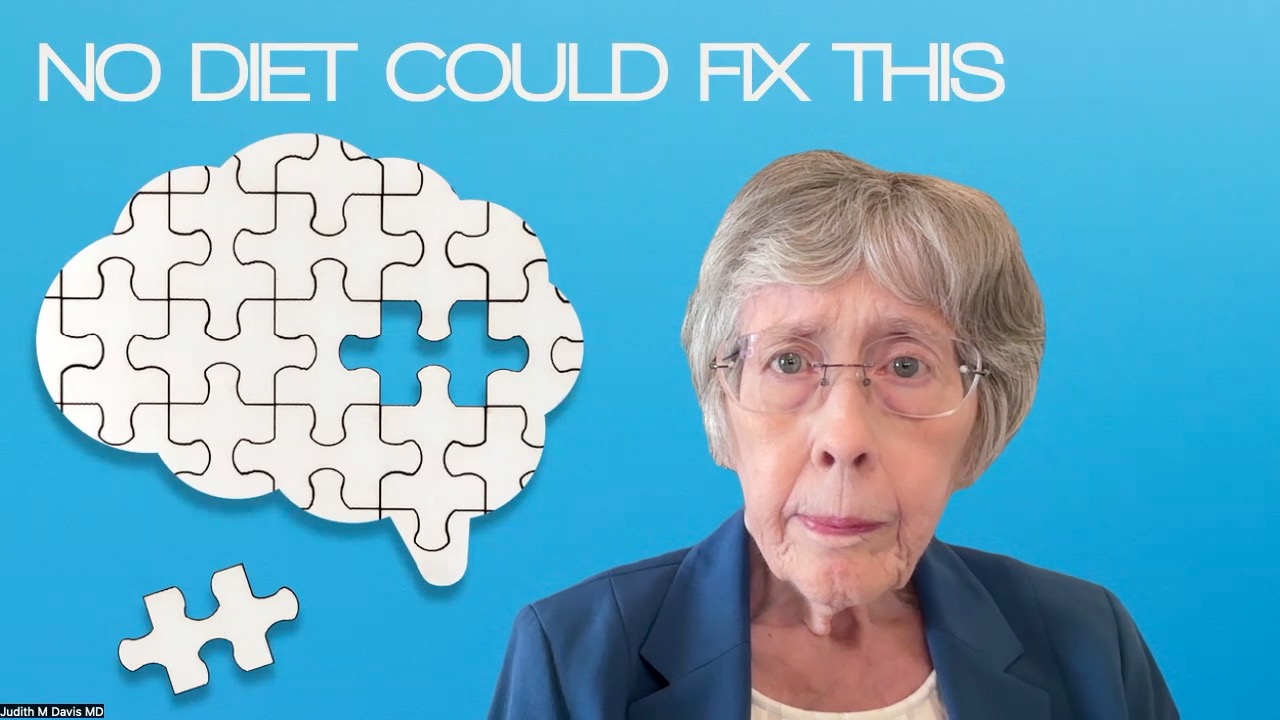
Kay resolved every year on New Year's Day to lose the extra weight she carried. She had tried crash diets in her teens and every kind of dieting plan as an adult — sensible and extreme. Regardless of the method, she invariably reverted to her old pattern and failed to achieve her goal. She blamed herself for her inability to stick to a diet.
But the pattern had a history.
How It Began
As an infant, Kay had learned — as we all do — to associate food with being loved and soothed. But her self-absorbed mother was frequently out of touch with Kay's anxiety and her need for comfort and reassurance. And so Kay's mind created its own solution: when anxiety arose, eating soothed it. This became locked in as a habit pattern long before she had the awareness or the autonomy to choose differently.
As she grew, better choices became possible — but remained out of reach. Each time her distress about her weight became acute enough, she would begin a new diet. But other sources of anxiety would quickly follow: worries about her job, her apartment, her finances. And her locked-in response to all of these was the same. Eat.
What Her Inner Guide Did First
When Kay acquired her own Inner Guide and began self-hypnosis, she continued her previous pattern for quite some time. Why didn't her Inner Guide intervene immediately to help her stay on her diet?
It had other priorities.
Kay's mother had not only failed to soothe her anxiety — she had emotionally abandoned her. As a result, Kay had been living with ongoing depression that she didn't even recognize as a problem. She was so accustomed to it that it had seemed like a "given."
But her Inner Guide recognized it. And it understood that the depression was, in fact, a greater problem than her weight — one that affected every aspect of her life, including her ability to stick to a diet. Before addressing the weight, her Inner Guide attended to that.
After Kay's depression had receded, her Inner Guide turned its attention to the weight problem. Kay then became able to diet effectively for the first time. She developed a well-balanced meal plan with a caloric level that allowed her to lose weight slowly and steadily.
What This Story Tells Us
Kay's story is common. The infant association of food with comfort is universal — we all learn it. And emotionally unavailable parenting, in varying degrees, is widespread. For many people, the same habit pattern that Kay developed is locked in so that no diet, however sensible or well-intentioned, can override it on its own.
We usually assume we know what our problems are. But sometimes a deeper, underlying problem that is out of our awareness is the hidden source of the problems we are aware of.
Your Inner Guide can see everything. It understands the full picture, and it knows where to begin.
To learn more about what the Inner Guide can do for you, visit: https://www.communityforwellbeing.com/the-stress-free-formula